Business Details
Sustainable Waste Management Solutions in Northwest Vermont
Northwest Vermont Solid Waste (NWSWD) is a legislatively chartered Municipal Corporation established to implement and regulate waste management strategies across 19 member communities in northwestern Vermont. Our mission focuses on reducing landfill waste through comprehensive recycling programs, hazardous waste management, composting initiatives, and community education. With decades of collective experience in sustainable waste solutions, our team combines municipal oversight with specialized expertise in compliance, environmental protection, and resource conservation.We operate multiple drop-off facilities, coordinate household hazardous waste collections, and provide educational resources to schools and businesses, ensuring alignment with Vermonts Universal Recycling Law. Our commitment to transparency, regulatory compliance, and community engagement positions us as a trusted authority in regional waste reduction and environmental stewardship.
Services
Recycling Programs
Waste Disposal
Hazardous Waste Collection
Composting Services
Environmental Education
Drop-off Site Access
Special Material Recycling
Household Hazardous Waste
Community Outreach
Regulatory Compliance Support
Highlights and features
- We offer comprehensive recycling programs including blue bin and special material recycling.
- Our team coordinates household and business hazardous waste collections with certified processors.
- We implement Vermont's Universal Recycling Law with expert compliance and community education.
- Our compost pickup service supports schools and businesses in reducing food waste.
- We provide transparent fee schedules and accessible drop-off locations across 19 communities.
What people say
Excellent compost pickup service
Knowledgeable staff on recycling rules
Effective hazardous waste programs
Helpful educational materials
Responsive community outreach
Services
Recycling Programs
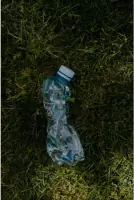
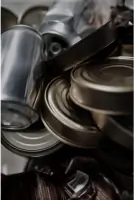
Our recycling initiatives include blue bin collection for paper, cardboard, glass, and plastics #1-7, plus special recycling for electronics, appliances, and hazardous materials. Residents access free curbside recycling, while commercial clients use our drop-off sites. Programs align with Vermont's Universal Recycling Law to reduce landfill dependency by 35%.
Hazardous Waste Collection
We manage household and business hazardous waste through scheduled collections and Georgia facility appointments. Accepted materials include fuels, chemicals, mercury-containing devices, and fluorescent bulbs. Our EPA-compliant processes ensure safe disposal of 30+ categories of toxic substances while preventing environmental contamination in compliance with state regulations.
Composting Services
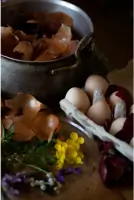
Commercial compost pickup services cover schools, restaurants, and grocery stores across Franklin and Grand Isle counties. Residential food scrap drop-offs operate at Georgia and North Hero sites. Educational resources promote home composting techniques, reducing organic waste in landfills by 30% annually while producing nutrient-rich soil amendments for local agriculture.
Community Education
Educational programs for schools and businesses include waste audits, recycling workshops, and curriculum resources. Our 'Close the Loop' initiative demonstrates material reprocessing journeys. Partnerships with local organizations drive 20+ annual seminars on topics ranging from zero waste events to hazardous material management in residential settings.
Drop-off Facilities
Six strategically located drop-off sites handle over 624,862 tons of annual waste. Services include appliance recycling with mercury extraction, scrap metal processing, and construction debris management. Georgia facility offers comprehensive resource recovery including tire recycling and propane tank disposal, operating six days weekly with administrative support during extended weekday hours.
People
John Leddy
Executive Director
John Leddy leads NWSWD with 13 years of experience, combining Americorps NCCC service and Vermont Youth Conservation Corps expertise. He specializes in municipal waste strategy implementation, advocating 'Use it up, wear it out' sustainability principles. Outside work, he explores Vermont's wilderness via foot, skis, and bike.
Pam Bolster
Business Manager
Pam Bolster oversees NWSWD's financial operations, bringing extensive nonprofit financial management experience. Her commitment to waste reduction extends beyond work hours where she pursues gardening and bibliophilic interests. She ensures fiscal accountability while advancing organizational sustainability goals.
Shannon Plant
Operations Coordinator
Shannon Plant manages daily operations with an associate degree in office accounting. After working in education and hospitality, she transitioned to environmental services to address observed waste issues. A Vermont native, she practices plant-based cooking and sustainable living principles with her family in Franklin County.
Dale Chapman
Program Specialist
Dale Chapman develops educational programs connecting community members with waste reduction resources. He focuses on making complex environmental regulations accessible to residents and businesses, ensuring practical implementation of state mandates like the landfill food waste ban.
Questions
What materials go in blue bin recycling?
Blue bins accept empty rinsed containers (bottles, cans, jars), clean cardboard, paper, plastics #1-7 including yogurt tubs and dairy containers.
How do I dispose of hazardous waste?
Schedule appointments at our Georgia facility or attend household hazardous waste collection events for proper disposal of chemical products, fuels, and mercury-containing items.
Can I compost food scraps?
Residents can drop off food scraps at Georgia and North Hero sites. Commercial clients in St. Albans access our 30+ stop compost pickup route.
Are there disposal fees?
Basic recycling and household waste disposal are free. Fees apply for construction debris, appliances, and special material processing - check 2023 fee schedule.
What happens to collected recyclables?
Sorted materials become new products through regional processors. Glass, metals, and plastics get repurposed while organic waste transforms into agricultural soil amendments.
How to report illegal dumping?
Contact our district office at 802-524-5986 or use online reporting forms to document illegal burning or unauthorized waste disposal activities.